


.png)
Accessibility
Accessibility Advisory Committee
Purpose
SEAFWC26 is committed to making events inclusive and accessible to all, including people with disabilities, people with limited mobility, people needing visual and sensory accessibility, and people needing language and cultural access support.
To that end, the LOC has established an Accessibility Advisory Committee that is responsible for informing aspects of FWC26 that the LOC has control over, elevating best practices and sharing resources in areas where the LOC has influence, such as the Seattle Stadium, where the FWC26 matches will take place, and documenting lessons learned for future mega events.
Committee Members

Megan Cromar
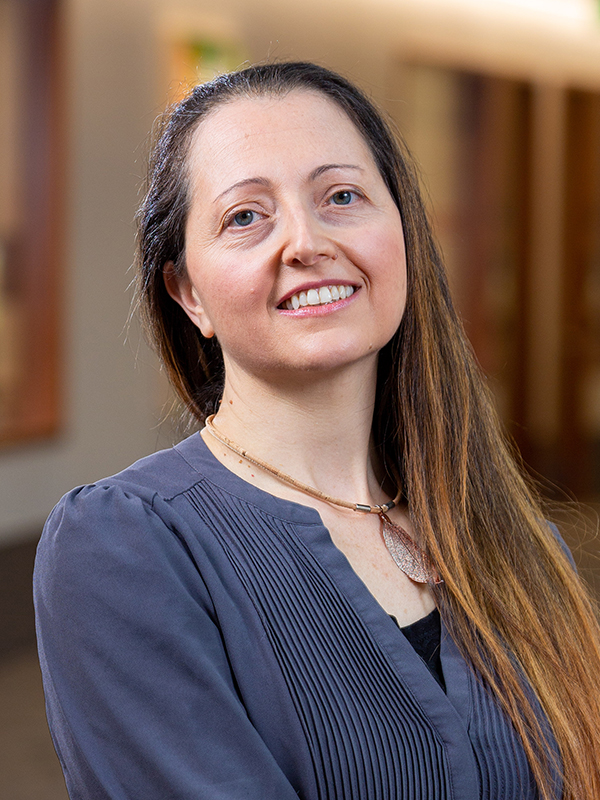
Anat Caspi

Vinnie Donati

Terrill Thompson

Tess Dickman

Marissa Bower
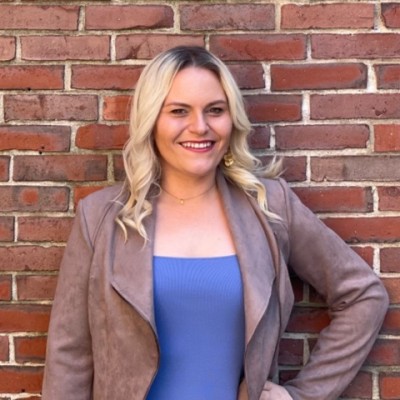
Andrea Kassa
Actions
- In partnership with Visit Seattle and Wheel the World conducted accessibility assessments of key destinations in downtown Seattle. These assessments focused on locations that are expected to experience high pedestrian traffic during the tournament, including stops along the Unity Loop, Seattle Center, parks, transit centers, major cultural institutions, and tourist attractions. The goal was to ensure that all visitors—including those with disabilities or limited mobility—can navigate the city safely and confidently using non-motorized and public transportation options.
- Worked with the University of Washington IT Accessible Technology Services to ensure that our LOC website is WCAG Level A compliant. A WCAG-compliant website aims to remove barriers that prevent people with disabilities from accessing and interacting with web content, ensuring equal access and a better user experience for everyone.
- Partnering with The Taskar Center for Accessible Technology at the University of Washington to include AccessMap Multimodal as a wayfinding resource in our FWC26 mobile gaming app, SEA&WIN, and the Unity Loop Map. AccessMap bridges gaps by providing detailed info on pedestrian paths, transit stations, elevation changes, curb ramps, and more. Allowing fans to tailor routes to their mobility and preferences for a hassle-free journey.
- SEA&WIN app was built with accessibility and inclusive fan experience at its core, helping residents and visitors of all abilities explore Seattle and Washington State during the FIFA World Cup 2026™ and beyond. In addition to the platform providing mobility-friendly routing through AccesssMap, there is also accessibility information at Stops — helping users better navigate public spaces, neighborhoods, and destinations throughout the region.
- OneCourt and SeattleFWC26 hosted fans from Seattle Children’s, National Federation for the Blind of Washington, and NW Association for Blind Athletes to utilize OneCourt’s tactile broadcast for soccer during the FIFA Club World Cup 2025. The activation ensured that Blind and Low Vision fans experienced the excitement in real-time, marking the debut of OneCourt’s live soccer experience and reinforcing SeattleFWC26’s commitment to accessibility and inclusive fan experience ahead of the FIFA World Cup 2026.
- SeattleFWC26 adaptive sports initiatives are building long-term momentum for inclusive sport in the Pacific Northwest ahead of the FIFA World Cup 2026™. Following a landmark Blind Soccer Clinic held in December 2025, Seattle was identified as a growing Pacific Northwest hub for Blind Soccer through partnerships with the U.S. Association of Blind Athletes, and community clubs. May 2026 programming expands that momentum through community conversations, international competition, and legacy investments — including Redefining the Game: Blind and Deaf Soccer on the World Stage, the Blind Soccer International Tournament featuring the U.S., Kazakhstan, and Peru national teams, and the upcoming opening of Tacoma’s Visa Street Soccer Park with adaptive sport capabilities. Together, these efforts advance accessibility, visibility, and long-term opportunity for adaptive athletes across the region.
- Welcoming Every Fan: Accessibility at Watch Parties for the Seattle FIFA World Cup 2026™ is a community-centered playbook developed by the SeattleFWC26 Local Organizing Committee and its Accessibility Advisory Committee (AAC) to help ensure watch parties across Washington State are inclusive, welcoming, and accessible to all. The guide emphasizes that accessibility is a core part of successful event planning — not an add-on — and supports people with disabilities, older adults, families, visitors with language or cultural access needs, and anyone who benefits from more inclusive environments. Through practical strategies, shared resources, and lessons learned, the playbook aims to help organizers create watch party experiences where every fan can participate fully, safely, and with dignity while building a lasting legacy of inclusive hosting for future global events.